2048
Slide matching tiles and chase the big number. Made by Gabriele Cirulli.
Arrow keys or WASD to slide. Swipe on mobile. New Game button to restart.
How to play
- Every move slides all tiles to one side of the four by four board.
- Two tiles with the same number merge into one tile of double the value.
- A new 2 or 4 appears after each move that changes the board.
- The run ends when the board is full and no merges remain.
Playing it better
- Pick one corner and keep your largest tile there for the entire game.
- Only use three directions. The fourth one breaks your corner and scatters the board.
- Build your big tiles in a descending row along one edge so merges cascade.
- Merge small tiles early. A board full of 2s and 4s has no room to work with.
About 2048
This is the original open source 2048 written by Gabriele Cirulli in 2014 and released under the MIT licence. It is the version that started the whole wave of number merging puzzles, and it is served here from its own source files rather than through a wrapper, so what you play is the real thing with its original animations and feel.
The rules are tiny. Every move pushes all sixteen squares as far as they can go in the chosen direction, and any two neighbours holding the same value fuse into one tile worth double. Then the game drops a fresh 2 or, less often, a 4 into a random empty square. Because that new tile always appears, doing nothing is not an option and every move costs you space. Good players think about the shape of the board rather than the individual numbers.
The single strategy that turns a casual player into a competent one is the corner rule. Choose a corner, promise yourself the biggest tile never leaves it, then restrict yourself to the two directions that press tiles into that corner plus one perpendicular direction. If you keep the bottom row filled and descending from left to right, merges chain naturally and the board keeps breathing. The moment you press the forbidden direction your anchor tile floats into the middle and everything gets hard again.
Beyond 2048 there is 4096, then 8192, and the arithmetic keeps working as long as you have space. Reaching 4096 requires the corner discipline to hold for hundreds of moves without a slip, which is why the number feels earned. The game keeps your best score in your own browser, needs no signup and runs entirely on your device with keyboard or touch input.
Advertisement
Common questions
Is this the original 2048?+
Yes. It is Gabriele Cirulli’s open source release, used under the MIT licence and linked back to its GitHub repository.
What is the highest tile possible?+
On a four by four board the theoretical maximum is 131072, though reaching 8192 already requires near perfect play.
Why do I keep losing around 512?+
Almost always because the largest tile drifts out of its corner. Restrict yourself to three directions and it stops happening.
Does it work on a phone?+
It does. Swipe in any direction on the board and the layout adapts to the screen.
Play something else
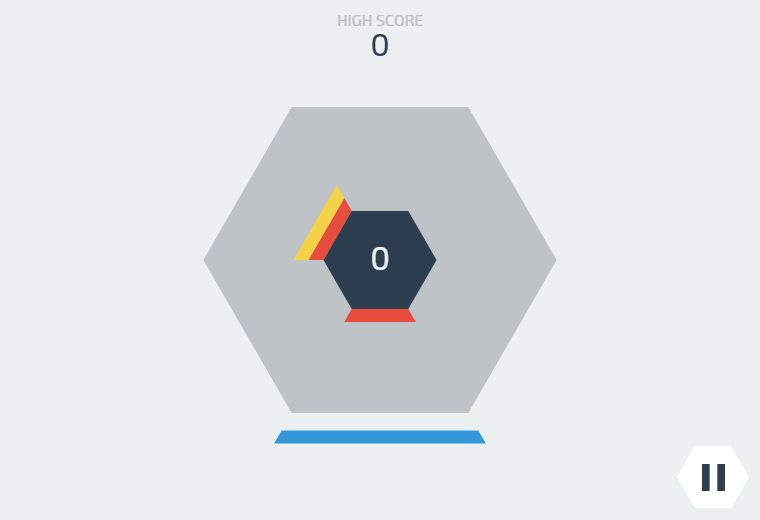
Hextris
Spin the hexagon and match the colours before they stack.
PuzzleGPL-3.0
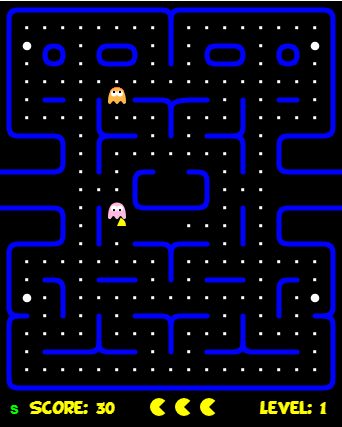
Pacman
Clear the maze, dodge four ghosts, eat the power pills.
ArcadeWTFPL v2 (public domain equivalent)
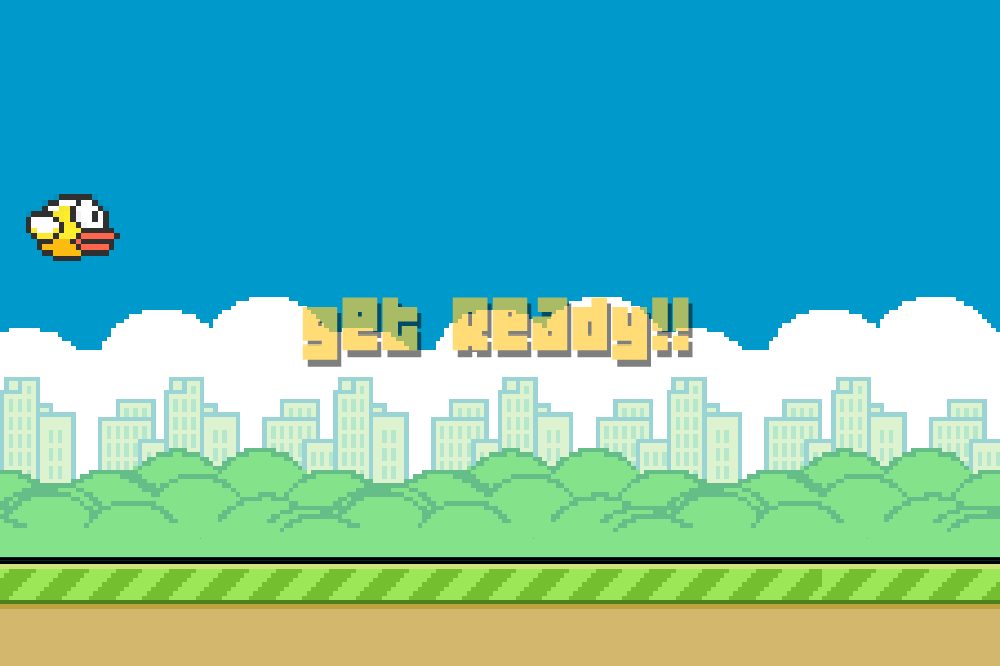
Clumsy Bird
One tap keeps you flying. The pipes do the rest.
ArcadeGPL-3.0
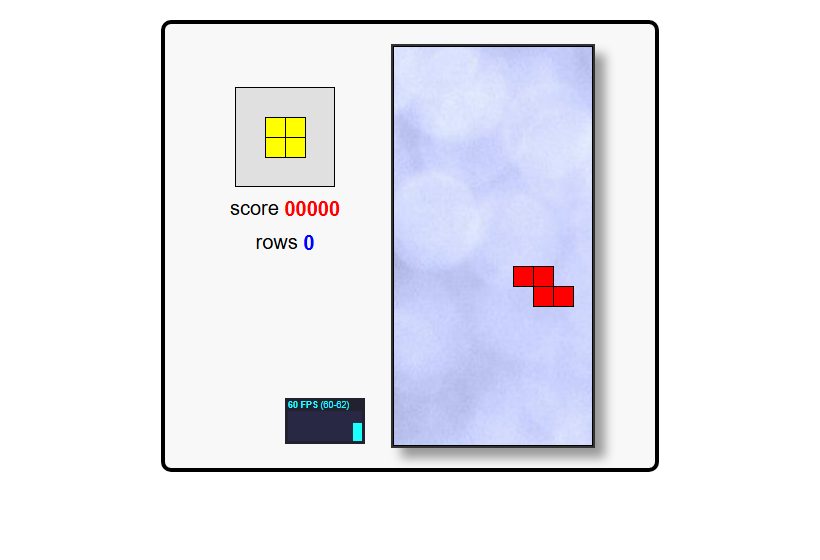
Falling Blocks
Stack the pieces, clear the lines, keep the stack low.
PuzzleMIT