Falling Blocks
Stack the pieces, clear the lines, keep the stack low. Made by Jake Gordon.
Left and right arrows to move. Up arrow to rotate. Down to drop, Space to hard drop, Esc to quit.
How to play
- Seven shapes fall one at a time into a ten column well.
- Move and rotate each piece before it lands.
- Fill a complete horizontal row and it clears, dropping everything above it down.
- The game ends when the stack reaches the top of the well.
Playing it better
- Keep the surface flat. Every hole you bury costs you two or three future rows.
- Leave one column open for the long straight piece and clear several rows at once.
- Rotate before you move sideways so you always know what fits.
- When the stack gets high, stop building and clear single rows until you are back under half.
About Falling Blocks
This is Jake Gordon’s open source block stacking game, written as a compact single file canvas project and released under the MIT licence. It is a well known teaching example precisely because the whole thing, rendering, input, collision, scoring and the piece bag, fits in one readable file, and it plays properly rather than approximately.
The essential skill is surface management. A flat stack accepts almost any piece, while a jagged one only accepts the two or three shapes that happen to match its notches. Since the piece order is random, a jagged surface is how runs die: you need one shape, you get four squares in a row, and you are forced to bury a hole. One buried hole is survivable. Three of them start a chain reaction that ends the game two minutes later.
The high scoring pattern most players learn next is the well. Keep nine columns level and leave the tenth empty, build up four rows, then drop a straight piece into the gap to clear all four at once. Multi row clears score far more than the same rows cleared individually, so a player who scores well is not necessarily faster, just more patient. The risk is obvious: while you are stacking four rows deep you are also four rows closer to the ceiling.
A preview of the next piece is shown beside the well, which turns the game from reaction into planning. Use it. Deciding where the current piece goes based on what follows it is the habit that separates a two minute run from a fifteen minute one, and the source being open means you can read exactly how the piece randomiser behaves.
Advertisement
Common questions
Who wrote this version?+
Jake Gordon. It is open source under the MIT licence and the repository is linked on this page.
Is there a hard drop?+
Yes, the space bar drops the current piece and locks it immediately.
How do I score more points?+
Clear several rows with one piece. A four row clear is worth many times four single clears.
Why is it called Falling Blocks here?+
The upstream project is named javascript-tetris. We list it under a generic name because the original word is a registered trademark of another company.
Play something else
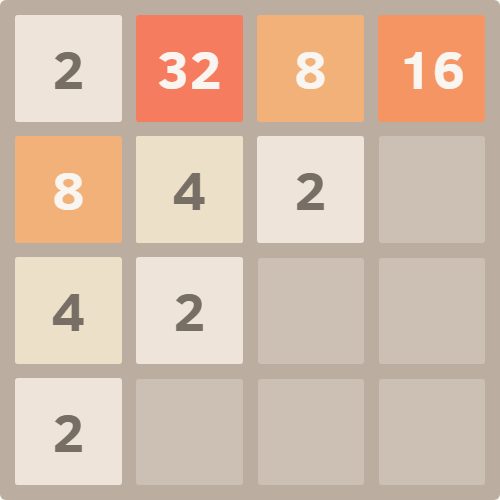
2048
Slide matching tiles and chase the big number.
PuzzleMIT
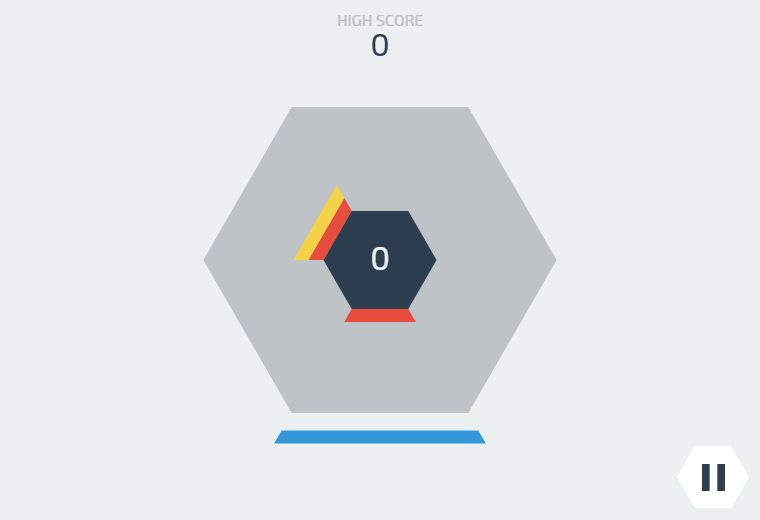
Hextris
Spin the hexagon and match the colours before they stack.
PuzzleGPL-3.0
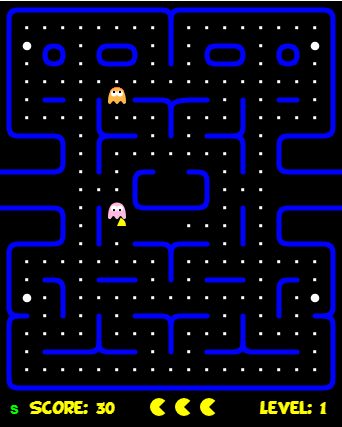
Pacman
Clear the maze, dodge four ghosts, eat the power pills.
ArcadeWTFPL v2 (public domain equivalent)
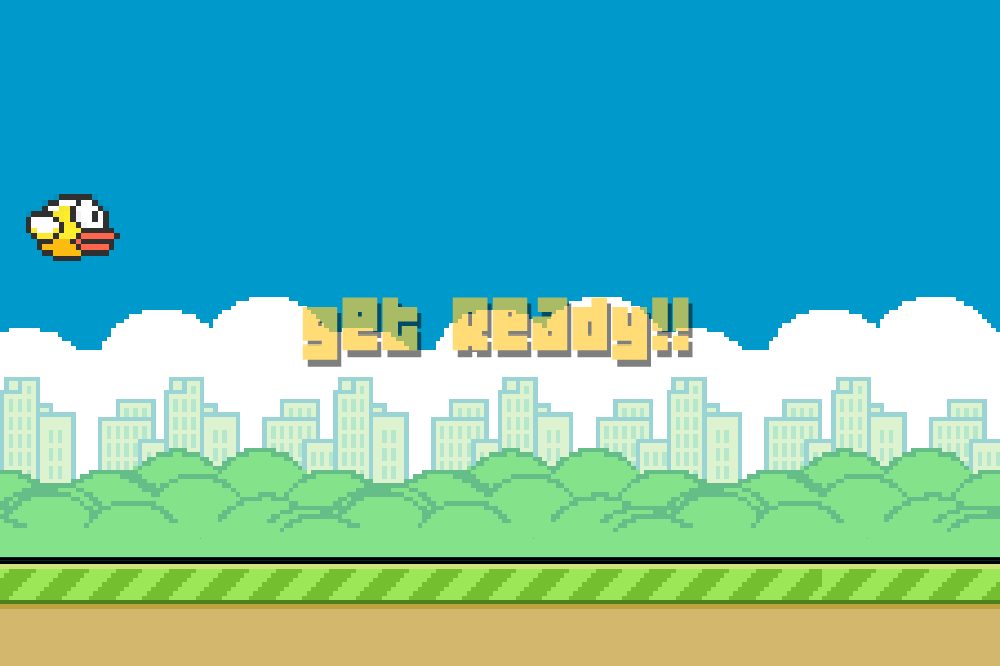
Clumsy Bird
One tap keeps you flying. The pipes do the rest.
ArcadeGPL-3.0